Aldeia de Santa Isabel launches an eBook featuring stories of young people who have transformed their futures through vocational training
The publication brings together ten success stories of former trainees who found in vocational training an opportunity to rebuild their personal and professional lives, demonstrating the impact of the programme run by the Aldeia de Santa Isabel Vocational Training Centre.
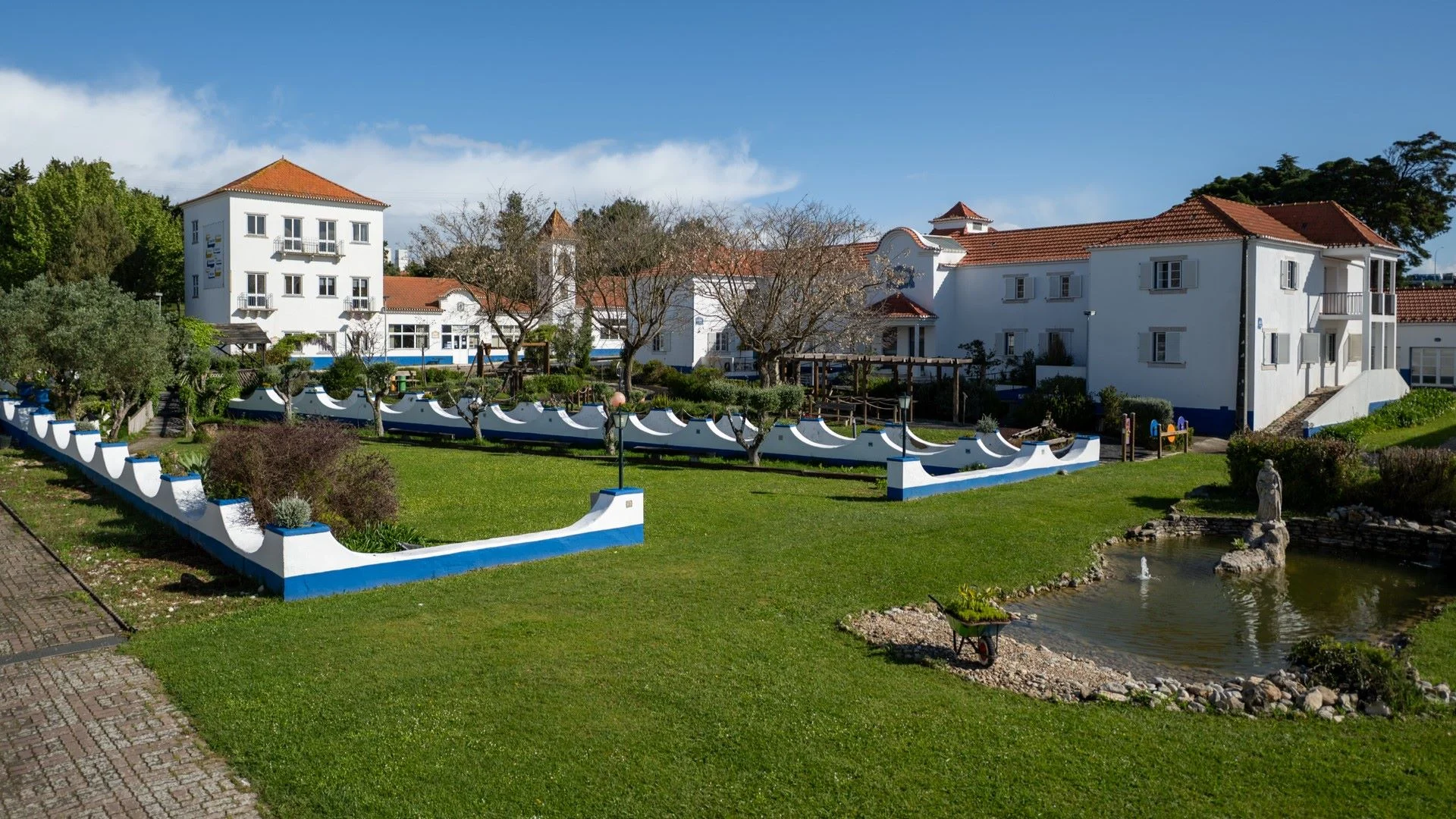
The Aldeia de Santa Isabel (ASI), a facility run by Santa Casa da Misericórdia de Lisboa, has launched the eBook *Success Stories in Vocational Training*, a publication bringing together the testimonies of former trainees whose lives have been transformed by vocational training and who today serve as examples of inclusion, independence and professional fulfilment.
Throughout its pages, the eBook presents ten inspiring stories that demonstrate that academic failure or dropping out of school do not determine a young person’s future. On the contrary, they highlight how training programmes tailored to each person’s abilities and motivations can open doors to employment, entrepreneurship and personal development.
Among the protagonists are Rita Martins, who set up her own hairdressing salon and takes on ASI trainees every year; Francisco Gomes, a former trainee who returned to the institution as a carpentry trainer; Daniel Raposo, now an executive chef at a five-star resort in the Algarve; Denys Lukyanets, founder of the electrical company Luky Power; and André Neves, who completed his 12th year through vocational training and embarked on a career in the automotive sector. The eBook also highlights the journeys of Michele Gonçalves, Micaela Santos, Carla Prazeres, Armando Lourenço and Ricardo Tavares, all of whom exemplify the diversity of opportunities that vocational training can offer.
More than just a compilation of testimonials, the publication aims to serve as a tool for promoting vocational training as an effective response to social inclusion and the promotion of employability. By systematising experiences, methodologies and success factors, the eBook also aims to contribute to the sharing of knowledge amongst training providers, schools, technical teams and organisations working with young people in vulnerable situations.
Available in digital format, this resource can be used in vocational guidance, efforts to prevent early school leaving, the induction of new trainees and the training of professionals, whilst also allowing for continuous updates with new success stories and evidence of the impact of Aldeia de Santa Isabel’s work.
