
Conference: “The Four Noble Truths”, by Manuel Sanches
Appointments/Information
* Cost of a call to the national landline network
- Booking required. Price: €10 per person. 20% discount (€8) if booked up to 3 days in advance.
- Maximum of 50 participants.
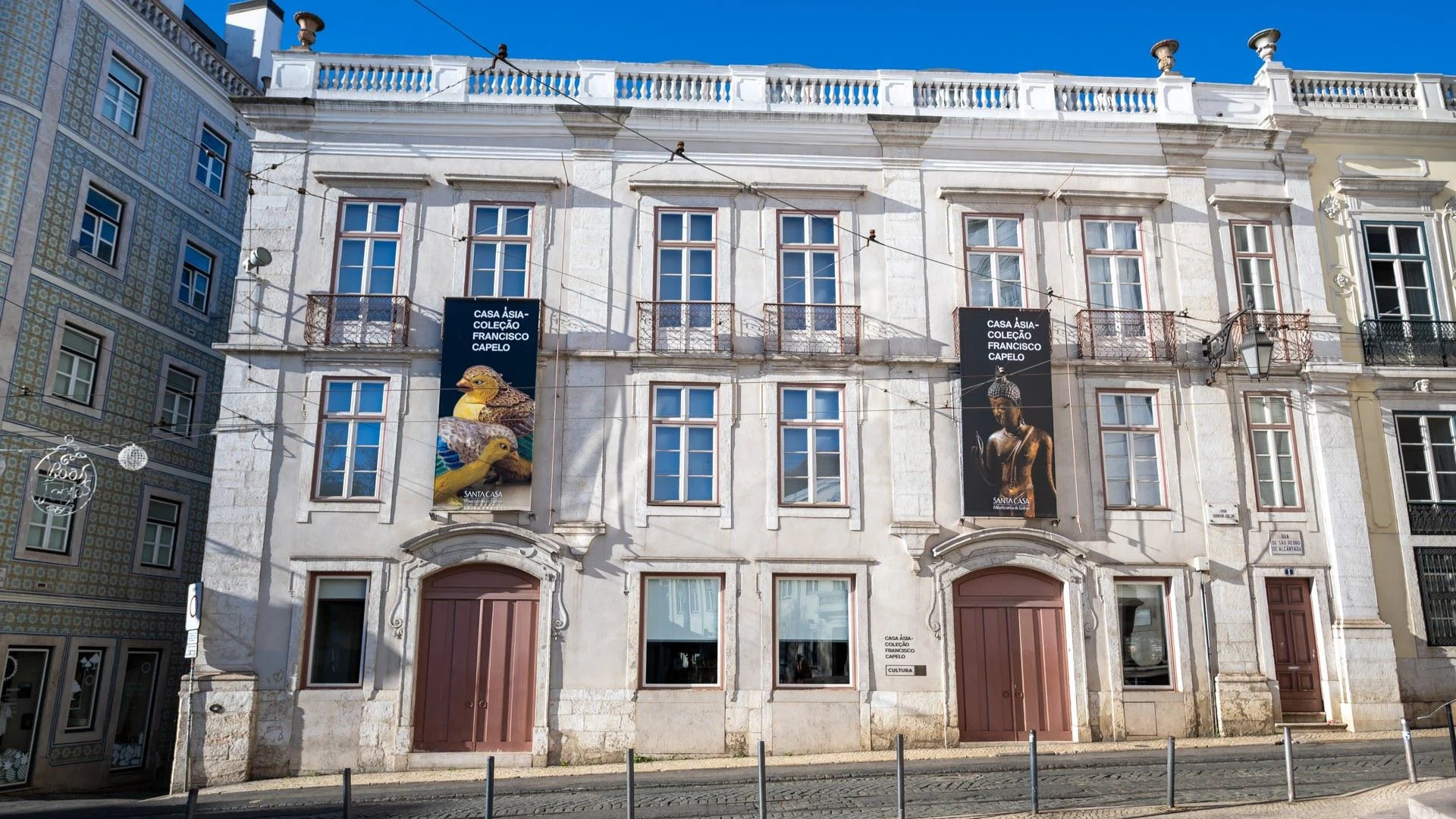
“The Four Noble Truths” is a philosophical and contemplative guided tour of the Buddhist artefacts at Casa Ásia. This tour will focus on a thematic exploration of the foundations of Buddhist philosophy, with particular emphasis on the Four Noble Truths, the philosophical heart of Buddhism. The stops along the tour are conceptually linked to one another, and the exhibits on display are related to the concepts presented. As such, the tour allows not only for an appreciation of the museum’s exhibits, but also for an introspective reflection on the philosophical concepts discussed.
According to Buddhist tradition, the Four Noble Truths were the teaching delivered by the Buddha in his first sermon. These speak to us of the dissatisfaction inherent in human life (or dukkha, in the Pali language) and of a path that enables a healthy, meaningful and liberating relationship with that very dissatisfaction.
Biographical note
Manuel Sanches studied History and Culture of Religions at the Faculty of Arts of the University of Lisbon (FLUL), having devoted himself to the study of Buddhism in its various traditions. The central theme of his final dissertation was the Bardo Thodol – a work also known as ‘The Tibetan Book of the Dead’ – and the way in which some of its content resembles contemporary descriptions of altered states of consciousness. His main interest in the Buddhist tradition lies in its theoretical and practical approach to the study of the mind and consciousness. He studied Pali – the canonical language of certain Buddhist traditions – through the Oxford Centre for Buddhist Studies. He is a student on the meditation teacher training programme run by Tergar International, led by the Tibetan Buddhist master Mingyur Rinpoche. He regularly runs courses on Asian religions and philosophies, for example at the Museu do Oriente in Lisbon, and teaches history at primary school level.
