
19th Century
1806
At the beginning of the 19th century, the economic situation of Misericórdia de Lisboa remained very precarious. Liabilities continued to be a concern, despite measures taken to provide the institution with the means needed to carry out its many charitable activities.
The urban properties that contributed to Santa Casa’s income before the earthquake had largely been destroyed or damaged. Even so, Misericórdia de Lisboa remained a model for all charitable institutions — in 1806, Prince Regent D. João (the future D. João VI) ordered that the misericórdias of the Kingdom should be governed by the Compromisso (Charter) of Misericórdia de Lisboa, which was, for that purpose, reissued (1818) and widely disseminated.
1833
In that period of great political instability, marked by the French Revolution and the Civil War, the Irmandade (Brotherhood) went into decline. Concerned about the situation, in 1834 the Duke of Bragança, regent on behalf of the Queen, appointed an Administrative Commission authorised to carry out the reforms deemed most urgent, thereby dispensing with the active participation of the Brothers of the Misericórdia de Lisboa Confraternity.
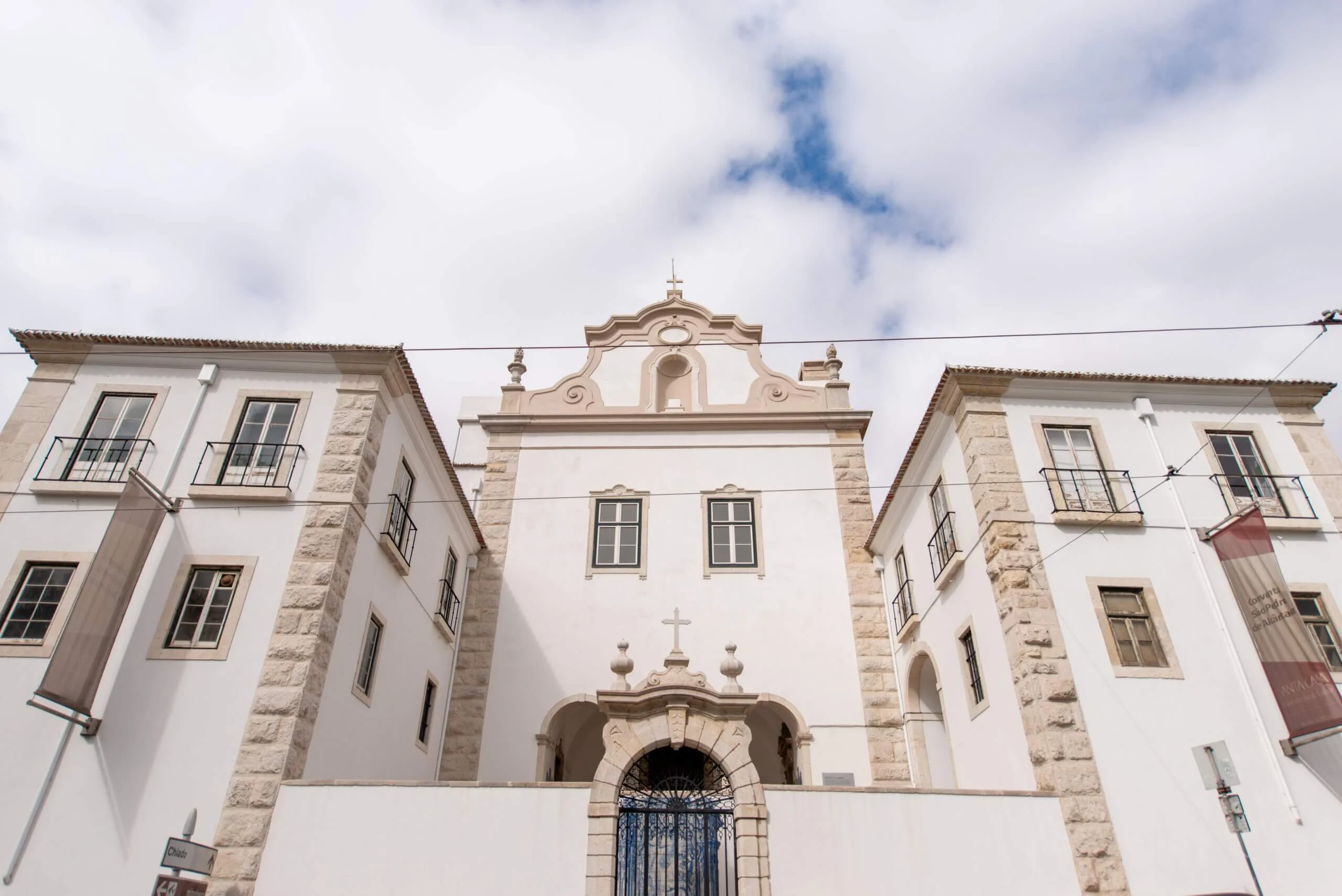
Faced with the very high rate of infant mortality, the Commission took a series of measures to improve conditions at the Casa dos Expostos (Foundlings’ House). The Recolhimento das Órfãs (Orphans’ Refuge) was transferred to the Convento de São Pedro de Alcântara, donated to Misericórdia by decree of D. Pedro IV (1833). Teaching methods across the different classes were also improved, with classes in writing, music and other subjects considered necessary.
Despite all the Commission’s efforts, however, the financial difficulties did not ease. With the increase in the number of children admitted at the Roda da Misericórdia de Lisboa (Foundling Wheel) — many of them from neighbouring municipalities — the institution’s economic situation worsened considerably.
1851
With a view to addressing the underlying causes of child abandonment, it was determined in 1853 that, during the first three years of life, a “wage or alms” would be granted to mothers without means, so as to enable them to raise their children.
As poverty deepened, the General Council of Charity was created. Its main aim was to eliminate begging. Reformed in 1851, it was placed in charge of Santa Casa da Misericórdia de Lisboa, the Hospitals of S. José, S. Lázaro and Rilhafoles, Casa Pia de Lisboa and other institutions.
It was then established that Misericórdia de Lisboa would be administered by a Provedor appointed by the Crown, two adjuncts elected by the Brotherhood of Misericórdia (which never actually happened) and two adjuncts chosen by the Government. Through the Decree of 2 December 1851, Santa Casa’s Administrative Commission was dissolved and the administration was henceforth carried out by a Mesa (Board) appointed exclusively by the Government and made up of people who were not part of the Irmandade.
1855
The funding sources of Misericórdia de Lisboa still consisted essentially of lottery profits, income from property and securities (financial investments), and assets received through inheritances, bequests and donations. Various measures were then stepped up:
- Action against the practice of extraordinary lotteries that diverted Misericórdia de Lisboa’s profits;
- Resistance to the competition from foreign lotteries, especially the Spanish lottery;
- Updating of rents on urban and rural properties;
- Increasing returns on financial investments by directing them towards more favourable options;
- Action — with the public, judicial and notarial authorities — to enforce inheritances and bequests intended for Misericórdia de Lisboa;
- Investment in creating new sources of income (such as the construction of the Banhos Termais de S. Paulo);
- Tighter control of expenditure and inspection of works;
- Accountability to the Government.
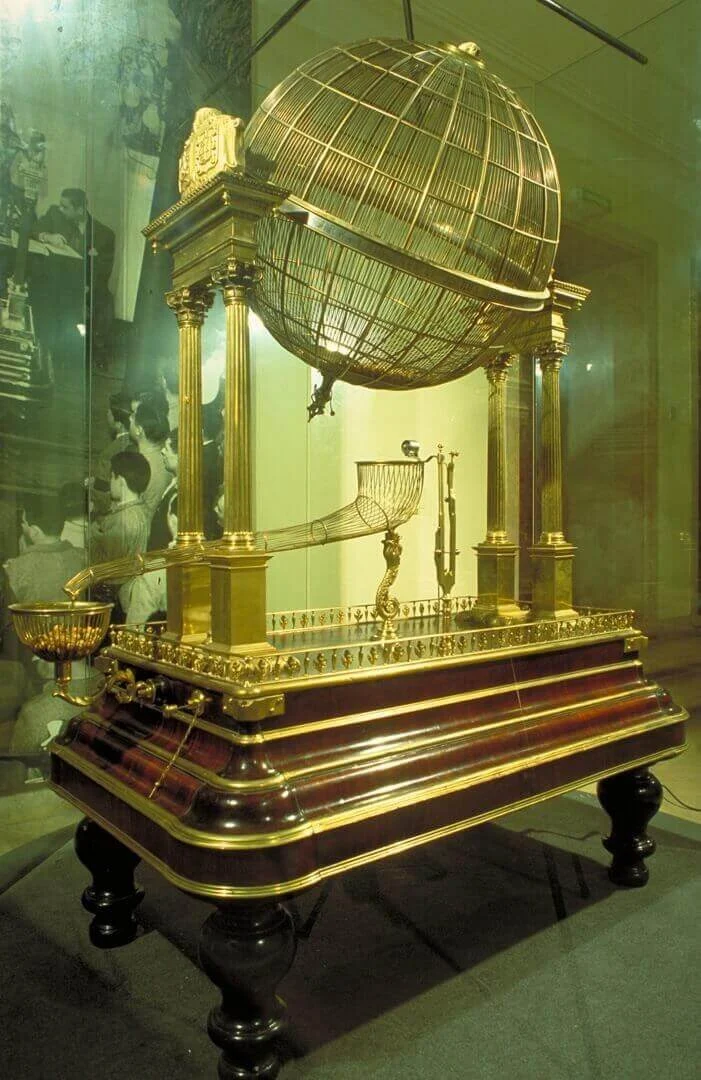
By the mid-19th century, lottery profits had fallen sharply. At the same time, with the enforcement of the disentailment laws, Misericórdia de Lisboa was forced to sell off a significant portion of its real estate and invest the proceeds in Treasury securities. These factors, combined with difficulties in managing the foundlings, led to a worsening of the financial crisis, which was only resolved through the reforms carried out during the term of Provedor Marquis of Rio Maior.
1870
It had become difficult to sustain the subsidies granted to mothers in greater need — introduced in 1853 — as a means of encouraging the rearing of children and discouraging abandonment, especially as these allowances did not prevent children being left on the foundling wheel. The solution lay in reorganising the service and, above all, in regulating the way children were admitted at the Roda, with effective inspection. The application of the measures set out in the Regulatory Instructions on the Surveillance and Policing of the Roda (1870) led to a drastic reduction in the number of foundlings. As a result, there was a marked decrease in expenditure, allowing Misericórdia de Lisboa to act in more varied ways. In addition, new subsidies were established, covering the whole period of breastfeeding, and prizes were awarded to mothers who reclaimed their children within the first year.
The Misericórdia kept its external clinical service, intended for those visited, which included the provision of medicines and diets. Medical support was extended to a greater number of people in need, and rules for the clinical service were established, dividing the city and neighbouring parishes into different areas or districts, where the poor could rely on a doctor, a surgeon and a pharmacy. Together with the rules, the Formulário das Enfermarias da Santa Casa da Misericórdia de Lisboa (Formulary of the Wards of Santa Casa da Misericórdia de Lisboa) was published, indicating the quantities, products and the way in which they were to be prepared and administered to patients.
1877
Putting the works of mercy into practice, it was decided to introduce food assistance for those most in need. To that end, in December 1887, the Sopa da Caridade (Charity Soup) was created, later renamed the Cozinha dos Pobres (Kitchen of the Poor). Weighing heavily in this decision was the considerable amount being spent on the treatment of poor patients, whose health problems were generally linked to their diet.
