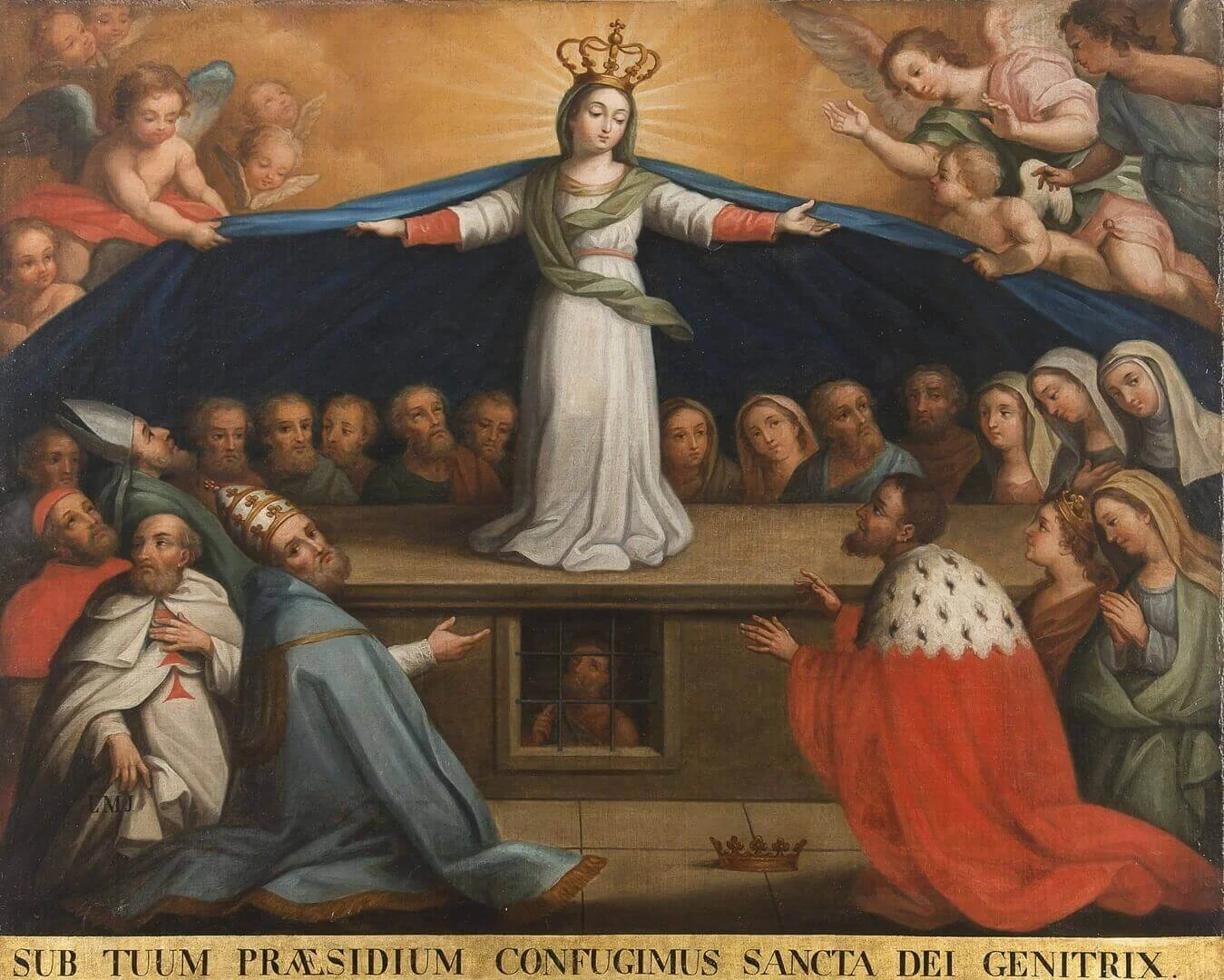
17th Century
1618
One hundred years after its foundation, and under pressure from political, social and economic changes resulting from the loss of the Kingdom’s independence (1581), Misericórdia de Lisboa felt the need to reform the original Compromisso (Charter). It also sought to adapt its structure to the new realities, and therefore published a new Compromisso in 1618.
1657
As responsibilities grew, so did financial difficulties. Raising the foundlings, left in the care of Misericórdia, remained one of the main concerns of the Irmandade. But the Lisbon Council, which was meant to fund this work, frequently fell behind in its payments. The Crown then intervened on behalf of Misericórdia, ordering the Municipality to fulfil its obligations. Shortly afterwards, in 1657, the “Meza dos Engeitados” (Board of the Foundlings), also known as the “Santos Inocentes” (Holy Innocents), was established.

1668
To increase support for the foundlings of Misericórdia during the Independence Wars (1640–1668), privileges were granted to the families of the wet nurses who took them in: while they were raising the children, their husbands were exempt from military service, a privilege later extended to the wet nurses’ own sons.
At the time, the so-called “prisoners of Misericórdia” — that is, detainees supported by the institution — benefited from faster processing of their petitions and were sent into exile “unbound” (unchained), without having to post bail. With the Restoration, these privileges were once again confirmed.