
18th Century
1750
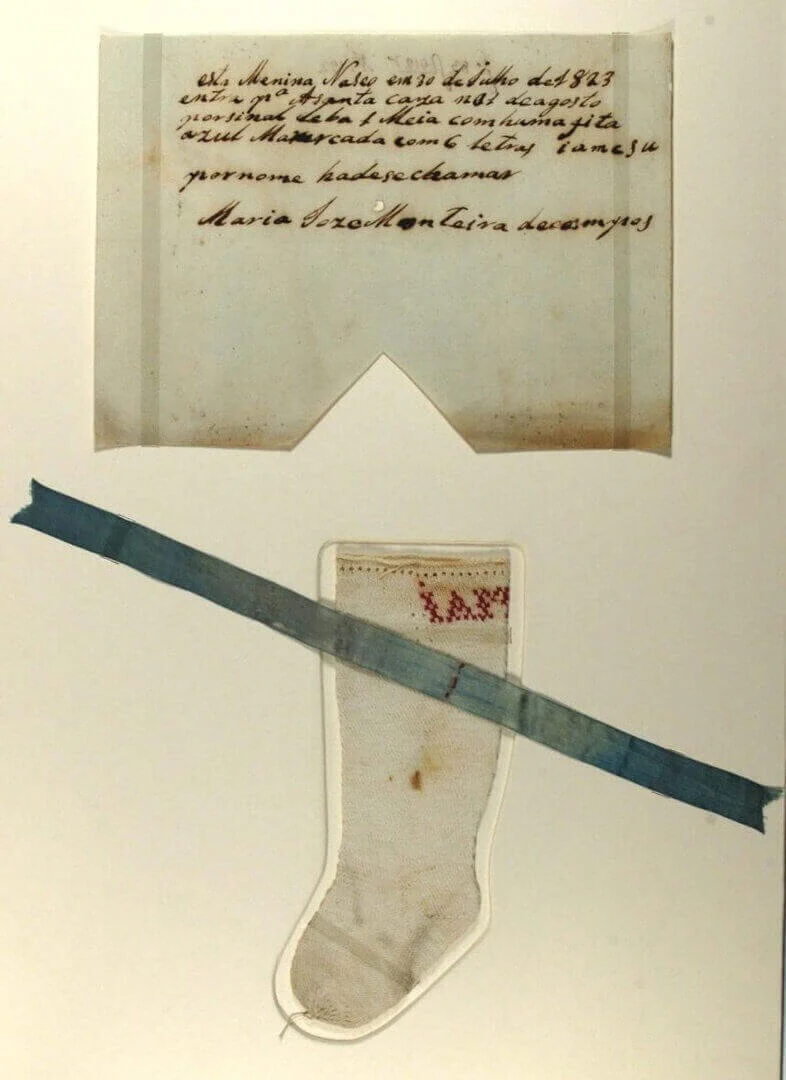
Throughout the 18th century, two major issues remained unresolved: the support of the foundlings and the funding of the institution. In the second half of this century, the process of receiving and raising the foundlings became particularly worse, due to the growing number of abandoned children and the difficulty of recruiting wet nurses living in Lisbon or near the capital. Infant mortality rose, and the government of the Marquis of Pombal carried out a reform of the process of raising, placing and educating the foundlings, setting out new rules. The Pombaline regulations in practice increased the State’s intervention in the life of the Irmandade (Brotherhood) and in the very administration of Misericórdia.
1768
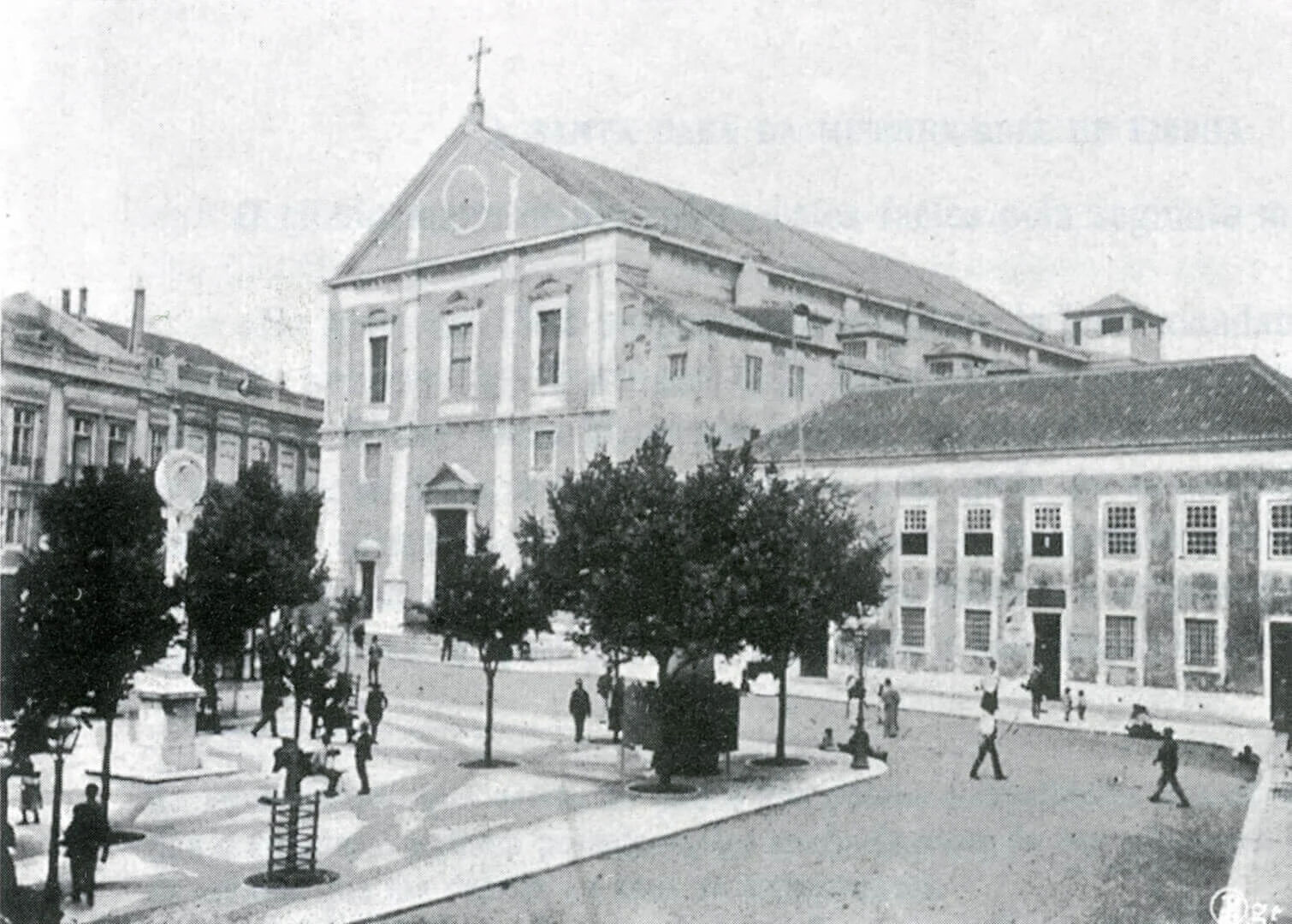
New subsidies were granted for raising the foundlings. This protective policy of Misericórdia de Lisboa would culminate in the donation, to the Institution, of the Church and the Casa Professa de S. Roque in 1768. This building had belonged to the Society of Jesus and, to this day, houses the headquarters of Santa Casa da Misericórdia de Lisboa. There, following the 1755 earthquake, the foundlings and the orphan girls of the Recolhimento were appropriately accommodated.
1783
Financial difficulties led the Mesa of Misericórdia and the Royal Hospitals for the Sick and for the Foundlings to ask Queen D. Maria I for permission to establish an annual lottery, “to use its proceeds to meet the pressing needs of the said two Hospitals” (Decree of 18 November 1783). Part of the lottery proceeds also benefited other charitable and scientific institutions.
