Mental Health
Psychological and psychotherapeutic support for people in vulnerable situations, on an outpatient basis or in the community.
W+ Unit
The W+ Unit, in operation since 2003, is a health response that provides psychological and psychotherapeutic support to people in situations of psychological risk and vulnerability, on an outpatient basis or in the community, focusing on the prevention of risk behaviours and the promotion of healthy lifestyles for its main target groups.
To that end, it uses a range of more formal methodologies (e.g. clinical consultations) but also draws on activities and artistic mediators to support engagement from less engaged or less verbal service users.
Through interdisciplinary work, the W+ Unit promotes engagement in healthcare among the target population, drawing on innovative responses tailored to each person's needs. With a cross-cutting philosophy of continuous adaptation to the different stages of the person's life cycle, it is organised to deliver mental health responses to children, adolescents and adults.
Services
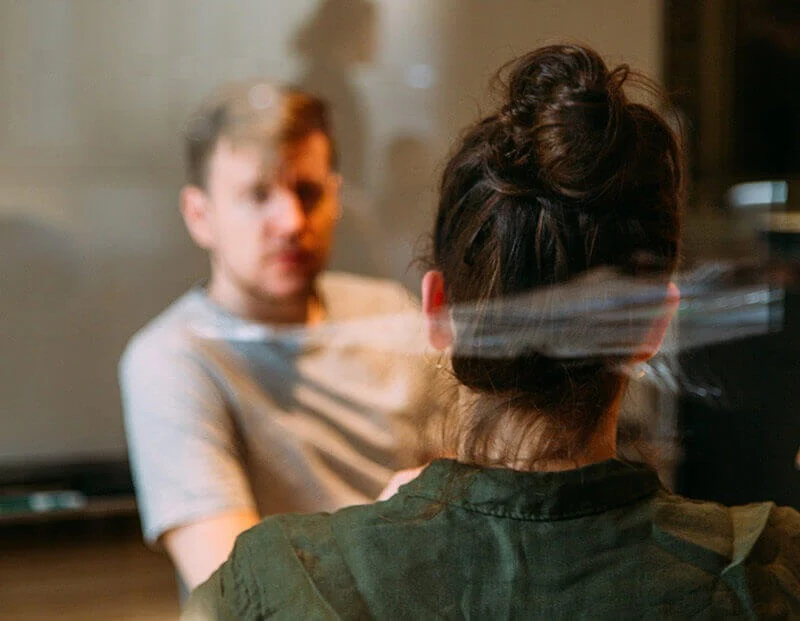
Service users meeting certain criteria may access the service. Triage involves a biopsychosocial assessment and is carried out by a psychologist, a nurse and a social worker. Intrapsychic factors determining engagement and the level of risk the person is facing are assessed.
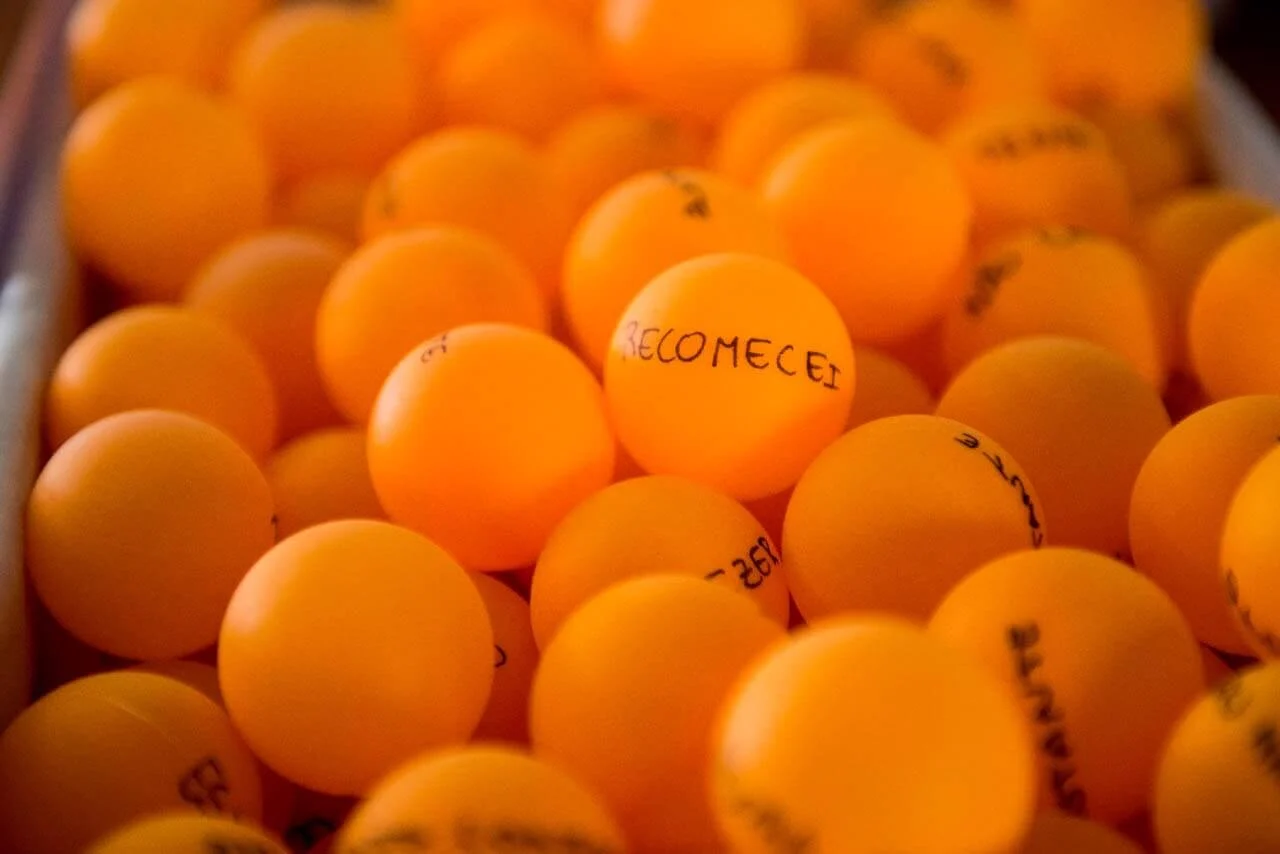
Following triage, in an interdisciplinary team, an individual (psycho)therapeutic plan (PTI) is drawn up, setting out the responses best suited to each person. This analysis follows a logic of creating responses according to each person's needs, rather than simply slotting them into pre-set responses.

Following the assessment at triage, the different available responses may be used — whether the more conventional health responses (such as consultations) or others specifically designed with the individual who tends not to engage with this kind of intervention in mind (such as therapy groups, sports activity, among others).
Eligibility conditions
Anyone may register at the W+ Unit who:
- Holds an active SCML Health Card;
- Is referred by a partner organisation (e.g. Chapitô, HDE or Liceu Passos Manuel);
- Is a member of staff or a dependent family member (under 25) of SCML staff.
To register, an email should be sent to unidade.wmais@scml.pt with the following information:
- Full name, age and PRIA case number;
- Brief overview of the psychosocial situation;
- Up-to-date phone contact.
On triage day, you should bring your ID document.
Individual intervention
-
Medical consultation in the area of Sexual and Reproductive Health / General and Family Medicine.
-
Assessment, support, referral and coordination with other services / the community.
-
Assessment and intervention in occupational activities;
-
Postural correction;
-
Pilates.
-
Sports activity as part of the individual therapeutic plan.
-
Psychology/psychotherapy consultation
-
Crisis intervention
-
Psychological assessment
-
Nursing consultation
-
Individual intervention – “Sentidos para sentir” project, multisensory intervention inspired by the Snoezelen environment
-
Psychiatry consultation for those aged 18 and over.
Group intervention
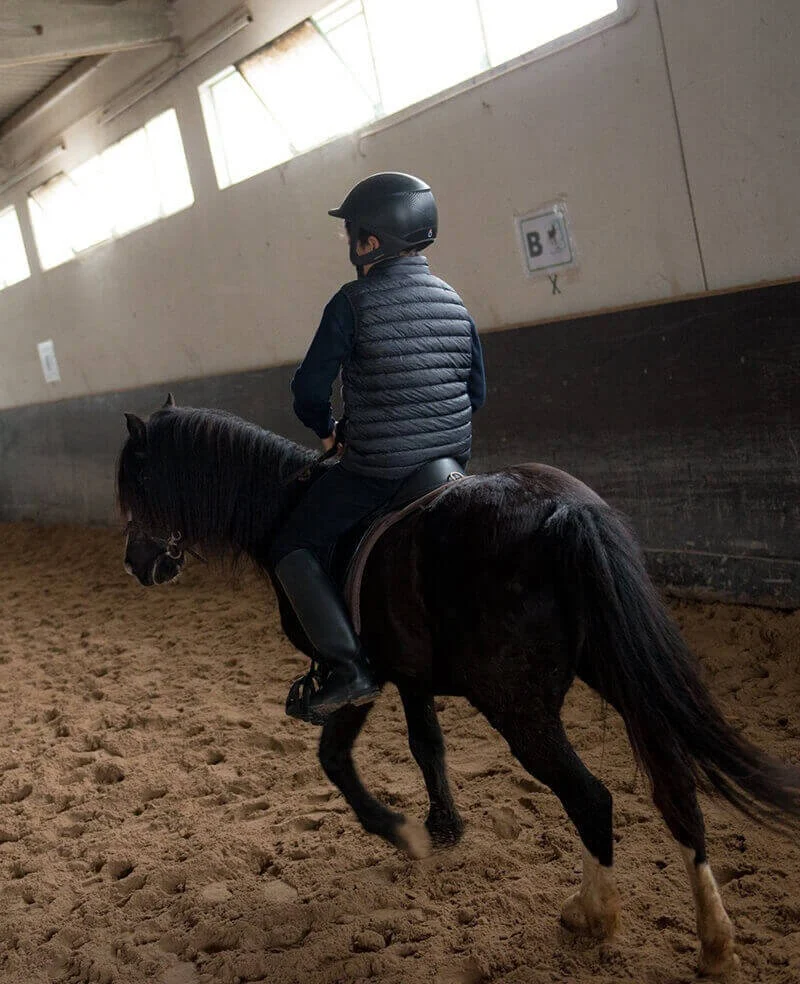
Supports psychomotor skills, communication, self-control and self-regulation in children with special educational needs.
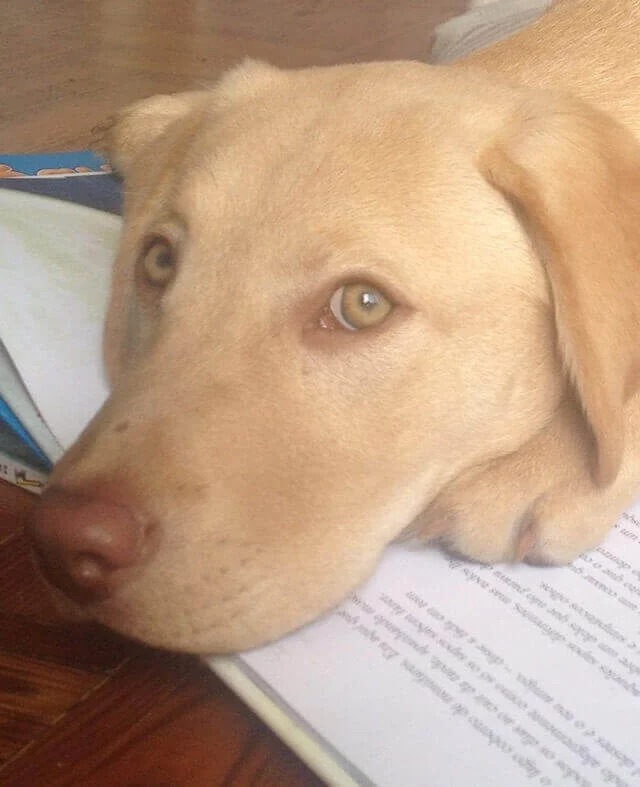
Supports self-esteem by linking reading to something positive and enjoyable, in a containing setting, where the dog acts as a mediator for relationships.
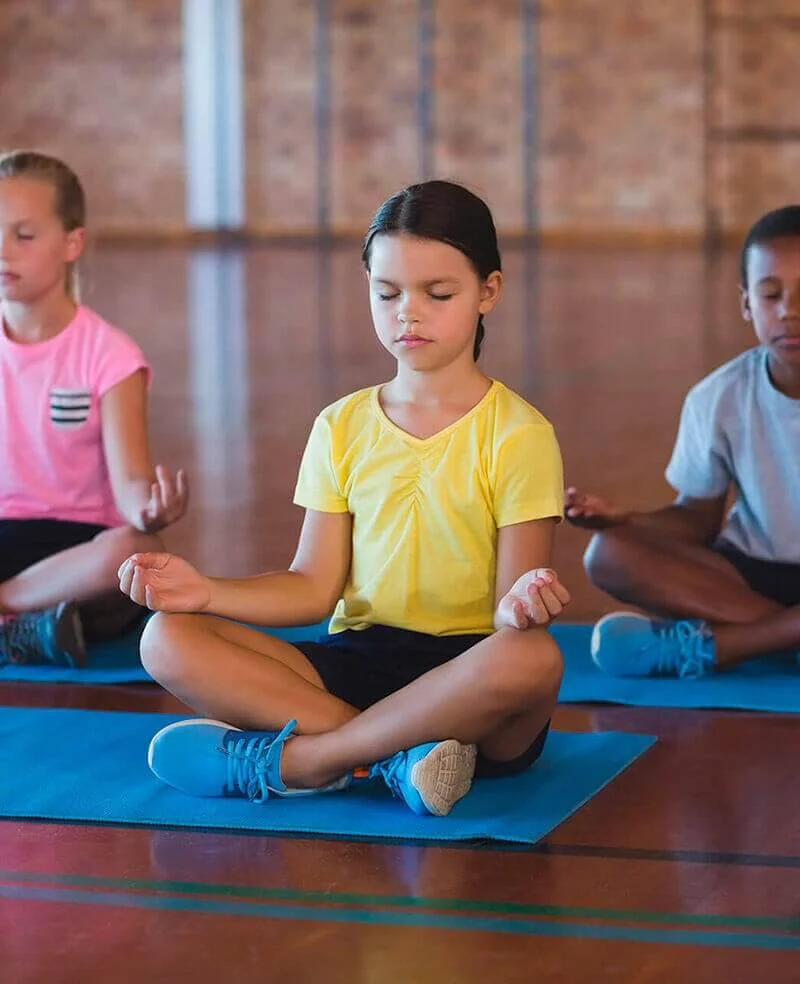
Drawing on yoga and mindfulness techniques, it aims to enhance body awareness, train attention and concentration, support emotional self-regulation and develop social skills.
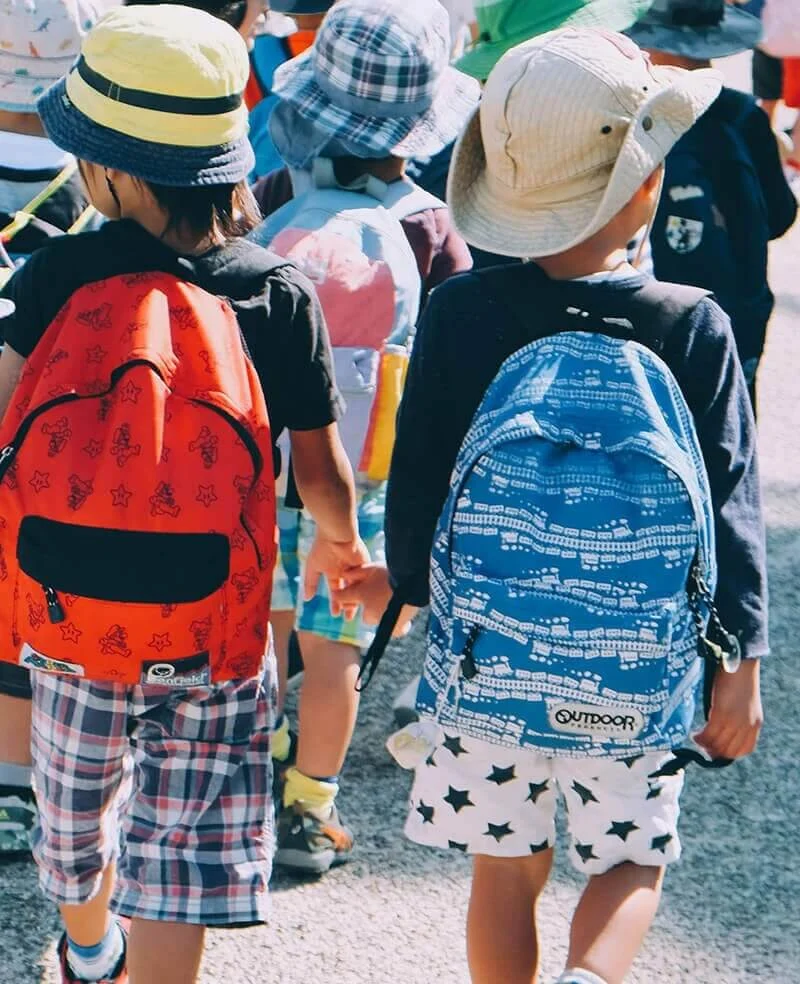
Supports strategies for a smoother adjustment from the 1st to the 2nd cycle. This programme runs in September each year, before the start of the academic year.
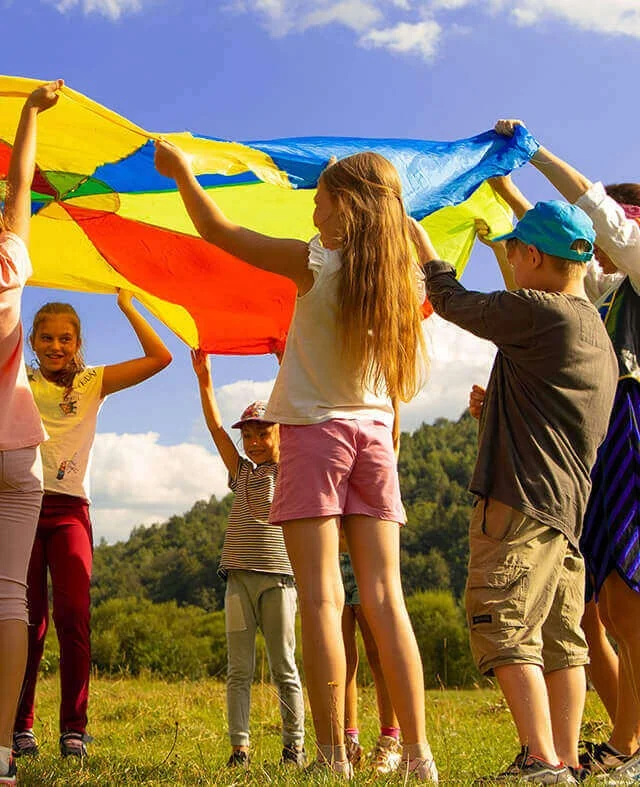
Supports engagement with health responses and with the service. It runs during the summer school breaks, with a programme including group activities and activities of interest to children, at W+ and in coordination with the community.
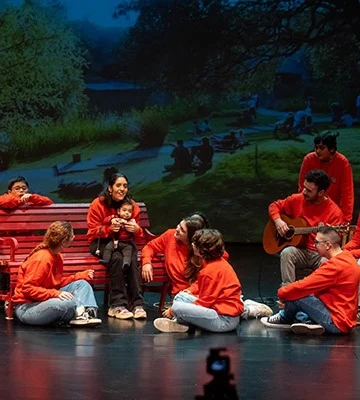
Takes a holistic view of the vectors of biopsychosocial well-being, bringing together synergies essential to enabling sustainable outcomes. It also involves outreach encounters between mental health and various forms of artistic expression.
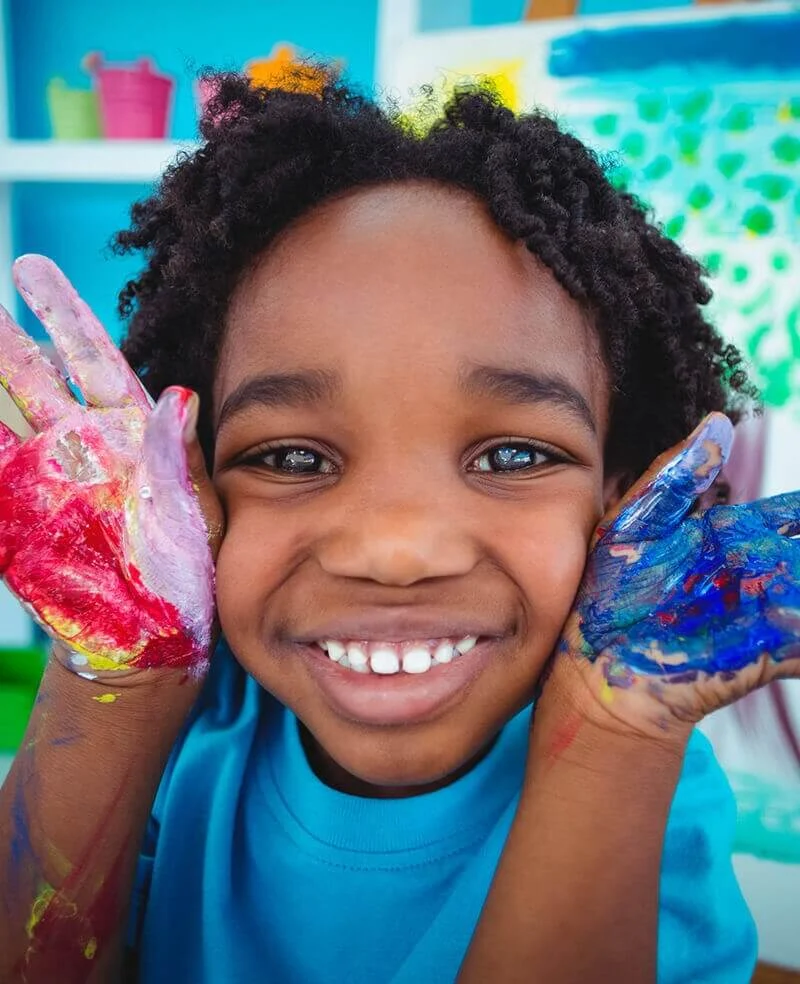
Supports creativity through artistic and playful expression.
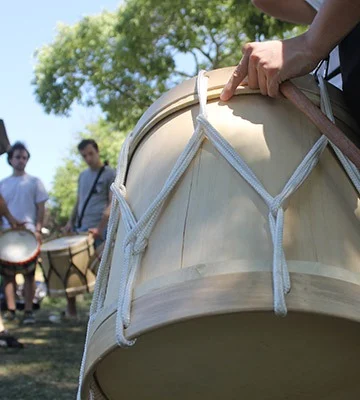
Supports teamwork, concentration, impulse control, active listening and the physical and psychological delimitation of the self, through percussion music.
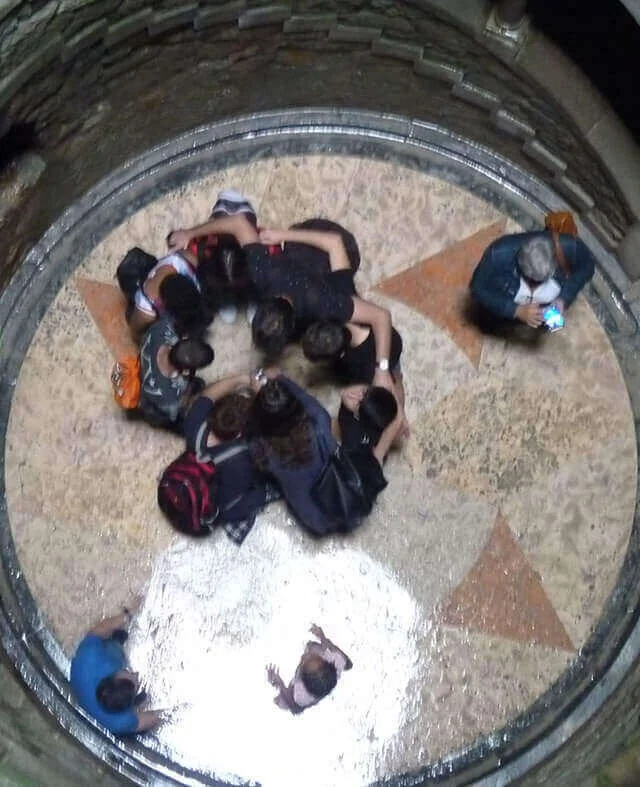
Supports self-knowledge, spontaneity and creativity through psychodramatic and mindfulness techniques.
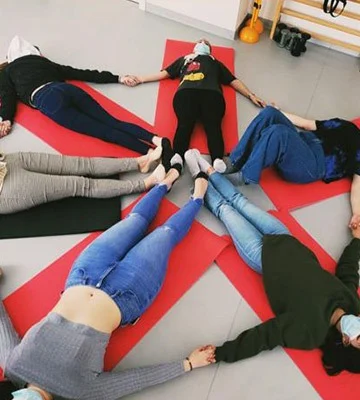
Supports health and well-being through movement, music and group encounters, supporting the creation of healthy bonds.
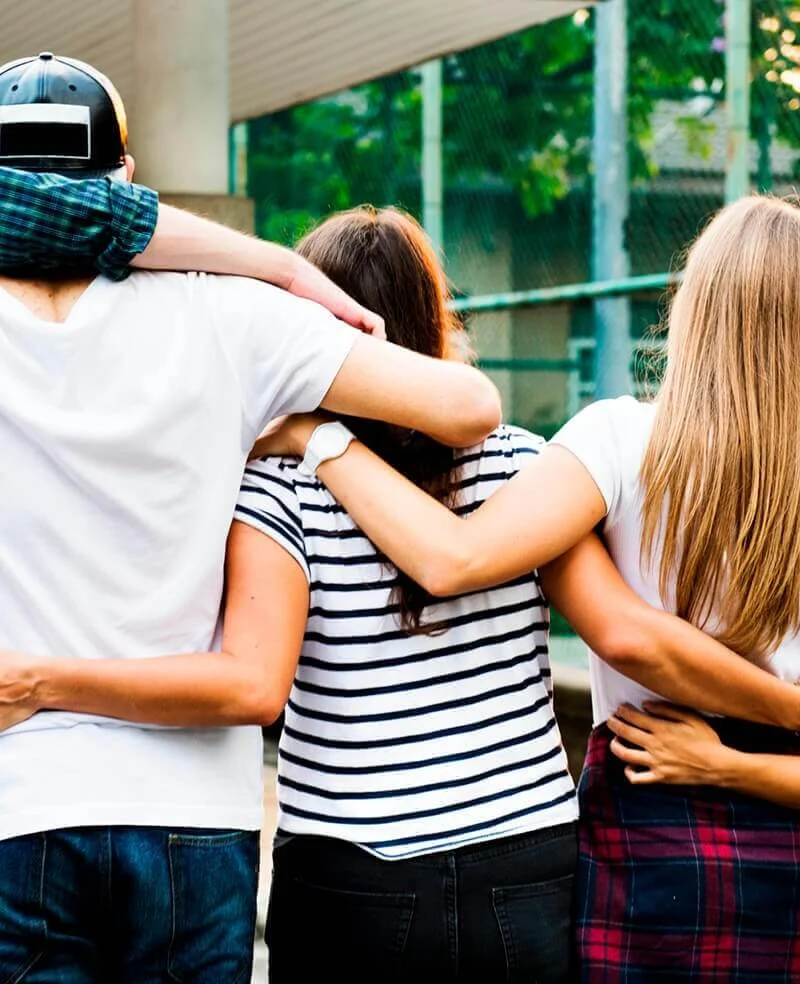
Supports self-knowledge and its implications for interpersonal relationships through artistic mediators.
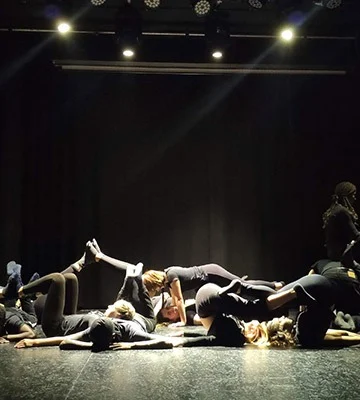
Supports identity cohesion and the integration of various roles. It works to deconstruct and make flexible rigidified defences. Based on the group, emerging themes are written and staged.
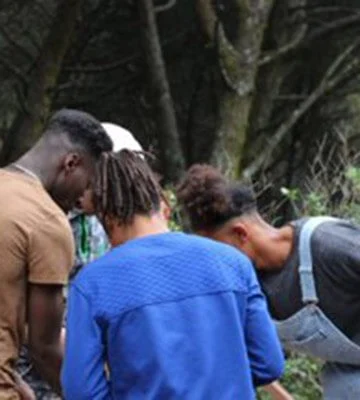
Supports biopsychosocial health and the acquisition of socio-affective skills, aiming at integration into vocational training and the consolidation of a life project.
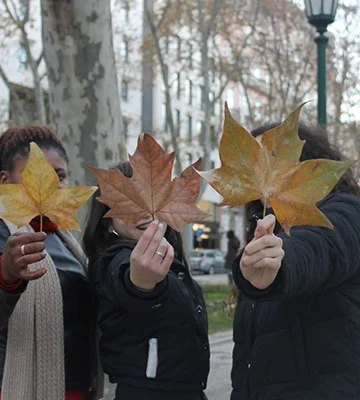
Develops personal and social skills, using photography and phototherapy techniques as mediators.
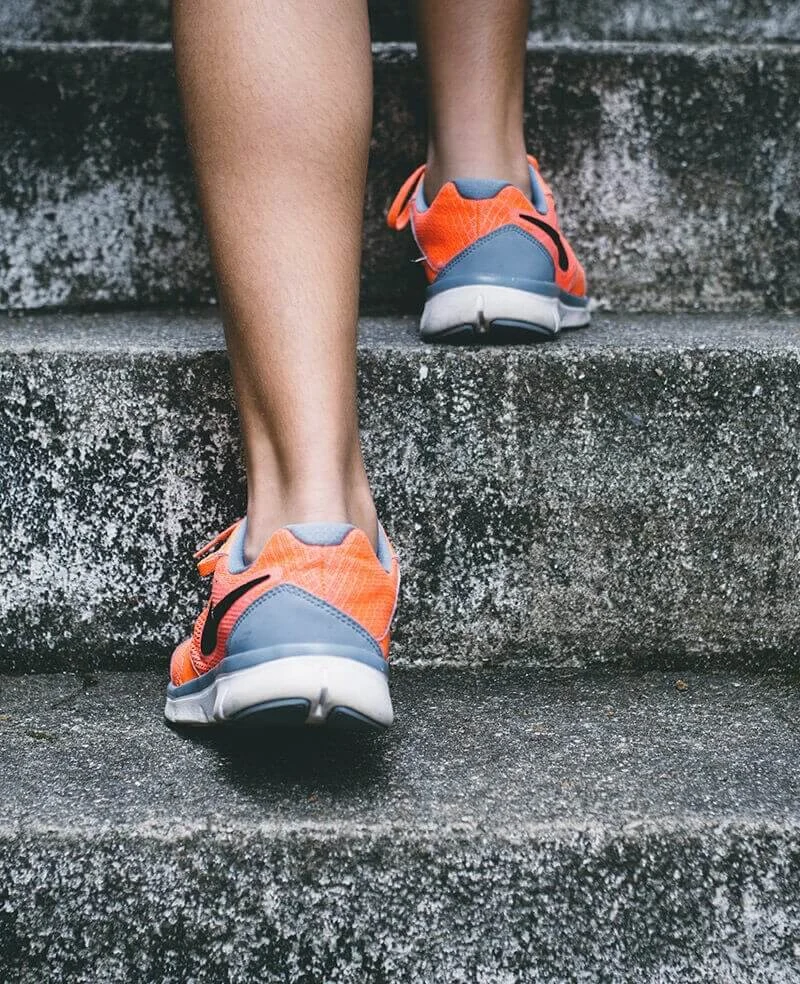
Supports the adoption of healthy lifestyles through physical activity, as part of the individual psychotherapeutic plan.
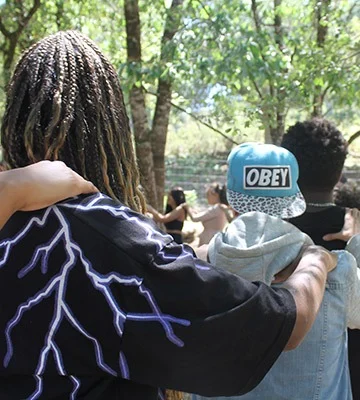
Supports engagement with health responses and with the service. It runs during the summer school breaks, with a programme including group activities and activities of interest to young people, at W+ and in coordination with the community.
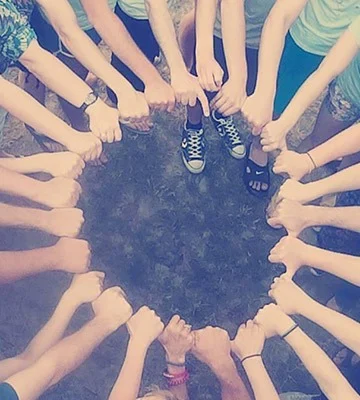
Supports a network of support among participants and works on social and interpersonal skills through participation in cultural activities in the community, restoring occupational balance.
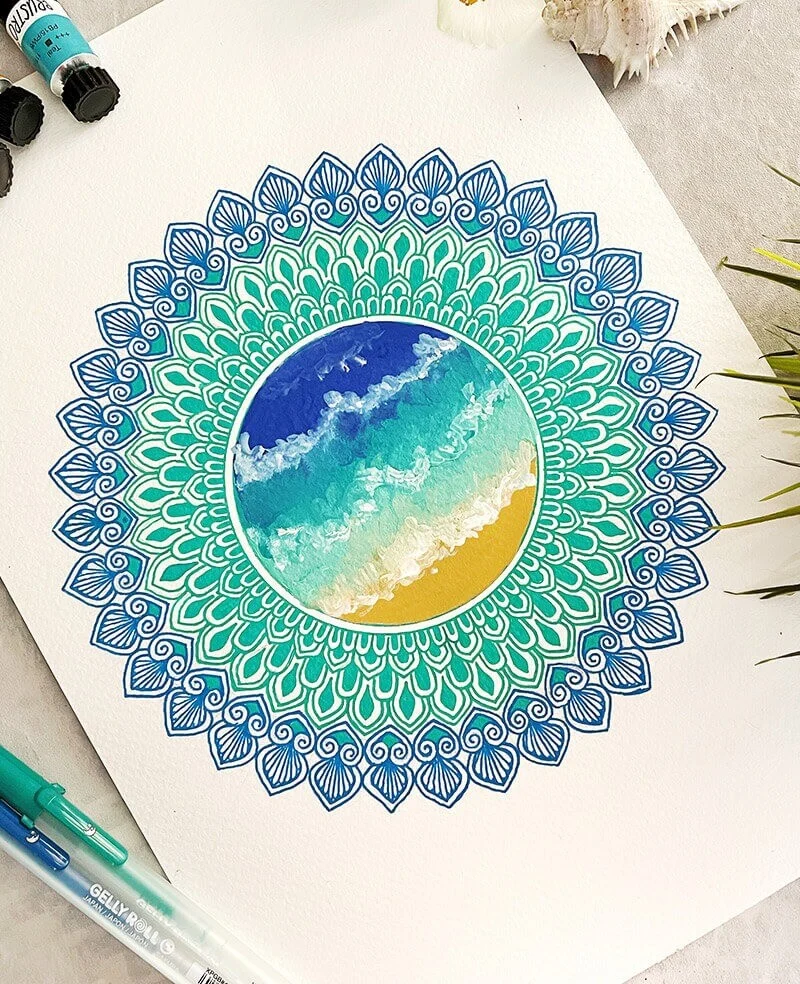
Develops emotional awareness and self-regulation through artistic expression.

Supports occupational balance, social skills and literacy through activities and dynamics related to art and culture, with adults experiencing social isolation and without meaningful occupation.

Develops adaptive parenting skills that support the development of healthy trajectories, helping parents deal with the challenges of childhood and adolescence.

Supports engagement with health responses and with the service. It runs in the summer, with a programme including group activities and activities of interest to adults, at W+ and in coordination with the community.

Supports the adoption of healthy lifestyles through physical activity, as part of the individual therapeutic plan.
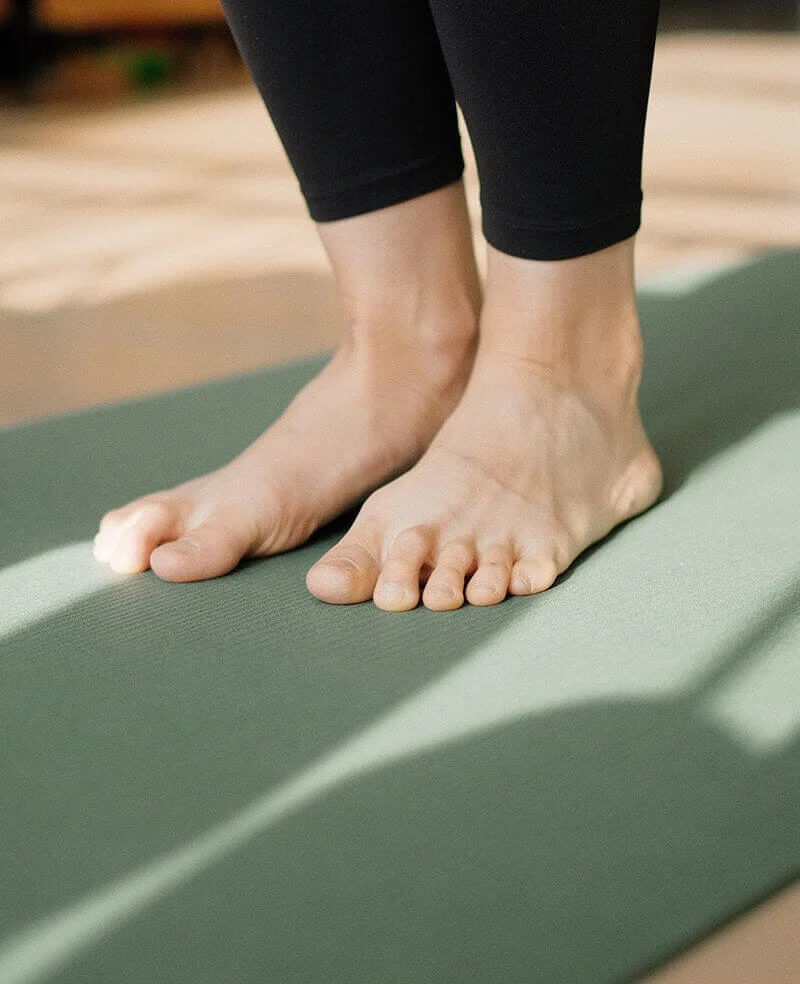
Develops body awareness; restores healthy movement; corrects pathological postures; develops strength. Teaches breathing and relaxation strategies. Uses a range of techniques: Pilates, fascia therapy, relaxation and meditation, stretching and joint mobility.
Community intervention
Supports healthy lifestyle habits and conscious parenting during pregnancy and in the first and second childhoods. It works in a preventive way, seeking to break the transgenerational cycles of violence, abuse and neglect in childhood.

Practical class as part of the pre-graduate teaching of the Integrated Master's in Medicine of the New Medical School / Faculty of Medical Sciences of NOVA University. Develops active listening, case analysis and health communication skills.
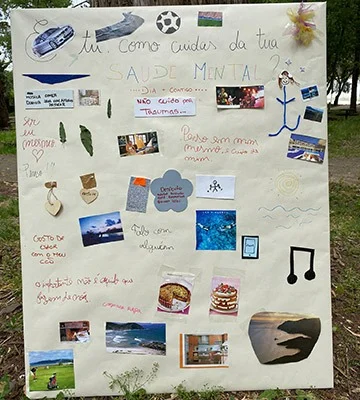
Aimed at promoting mental health and preventing risk behaviours. It is a programme that forms part of the National Mental Health Plan and is being developed in coordination with the Education, Training and Certification Centre – Youth Hub.
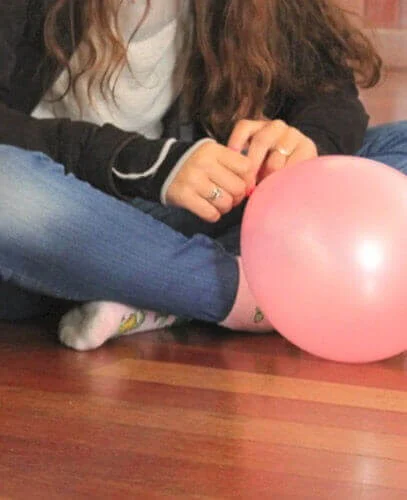
Supports decentring, cohesion of the self and spontaneity, using psychodramatic techniques.
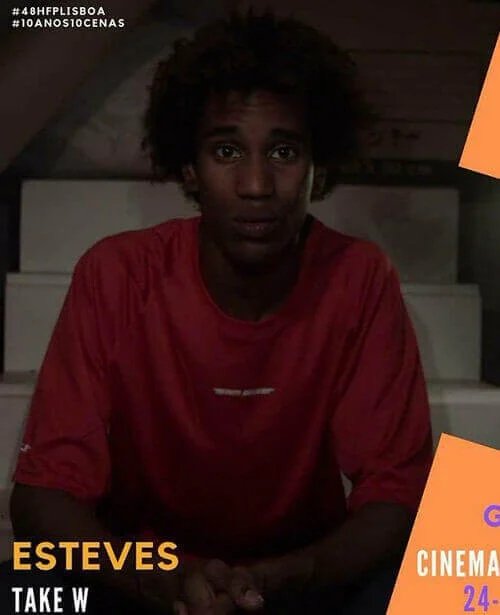
Supports creativity and develops adolescents' self-esteem and sense of self-efficacy through dramatic expression. Development and presentation of a short film.
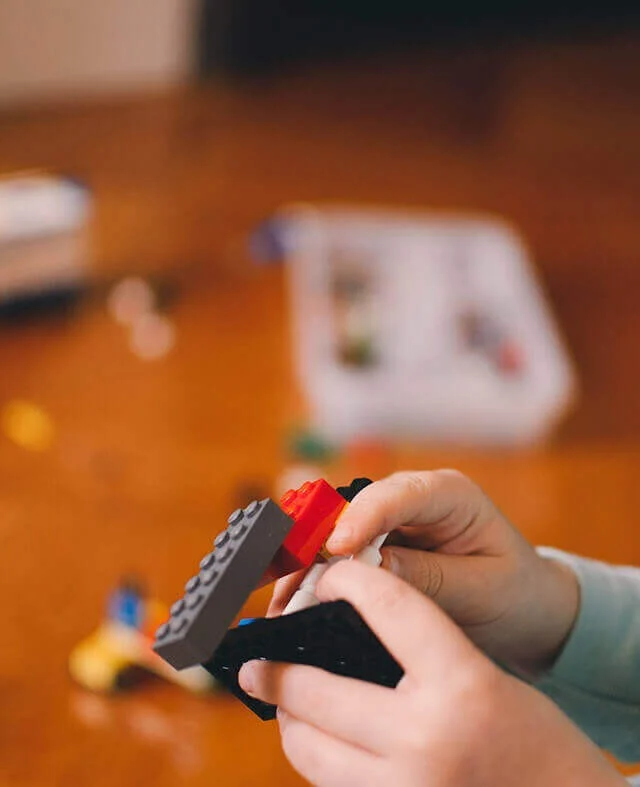
Improves and develops upper-limb coordination in children, as well as their laterality. Delivered in partnership with the Santa Clara sports centre.
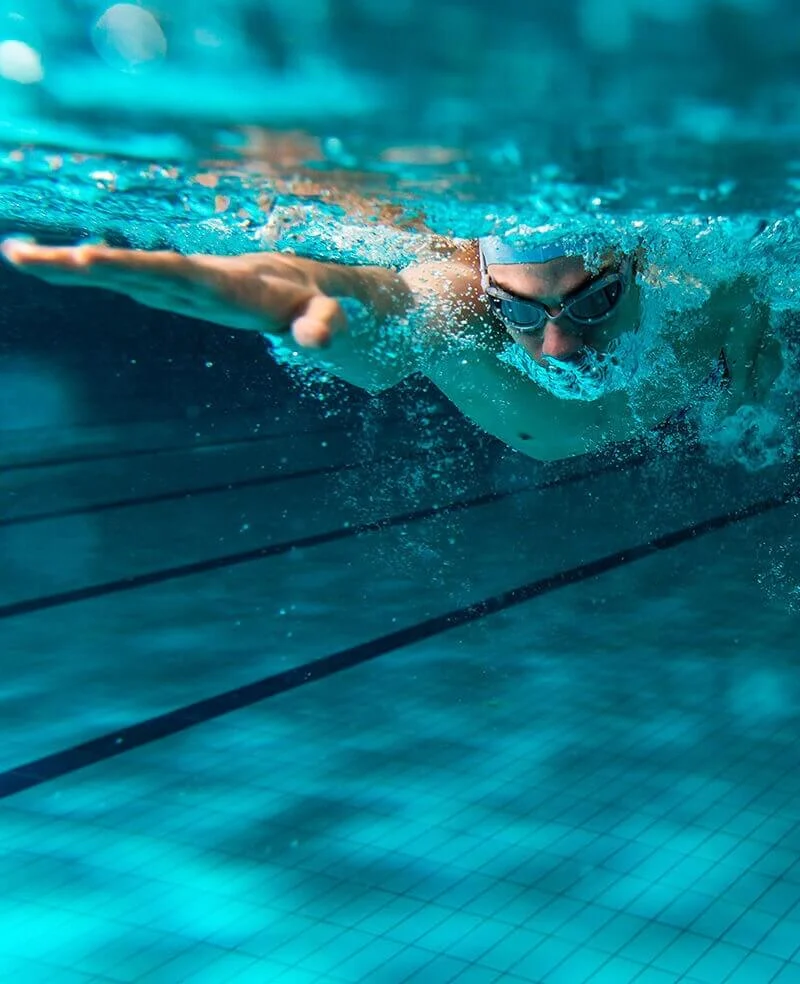
Supports adaptation to physical activity in an aquatic setting. For young people and adults, at the Santa Clara swimming pool.
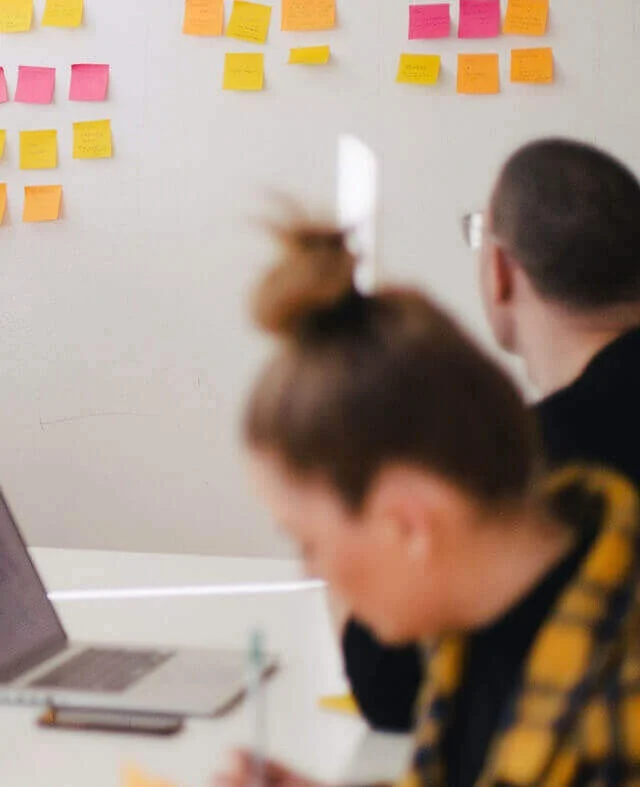
Supports the cohesion and motivation of the work team, increasing interpersonal knowledge and reducing conflict.
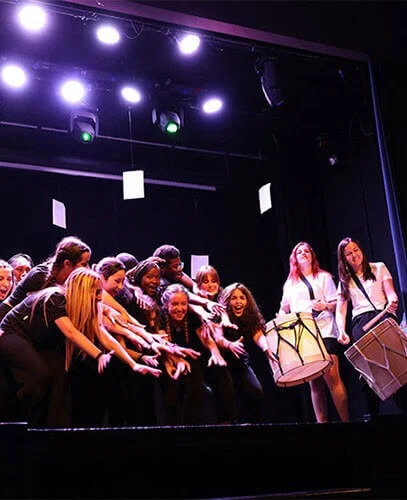
Supports mental health literacy, self-esteem and a sense of self-efficacy. It tackles the stigma of mental illness, inviting civil society — through art — to think about and reflect on various topics.
Contacts
Rua Duque de Palmela, 2, 3 – 7th floor
1250-098 Lisbon
+351 213 180 380 *
unidade.wmais@scml.pt
* Cost of a call to the national landline network