Areas of intervention
We embed in our work the social, environmental and good-governance dimensions.
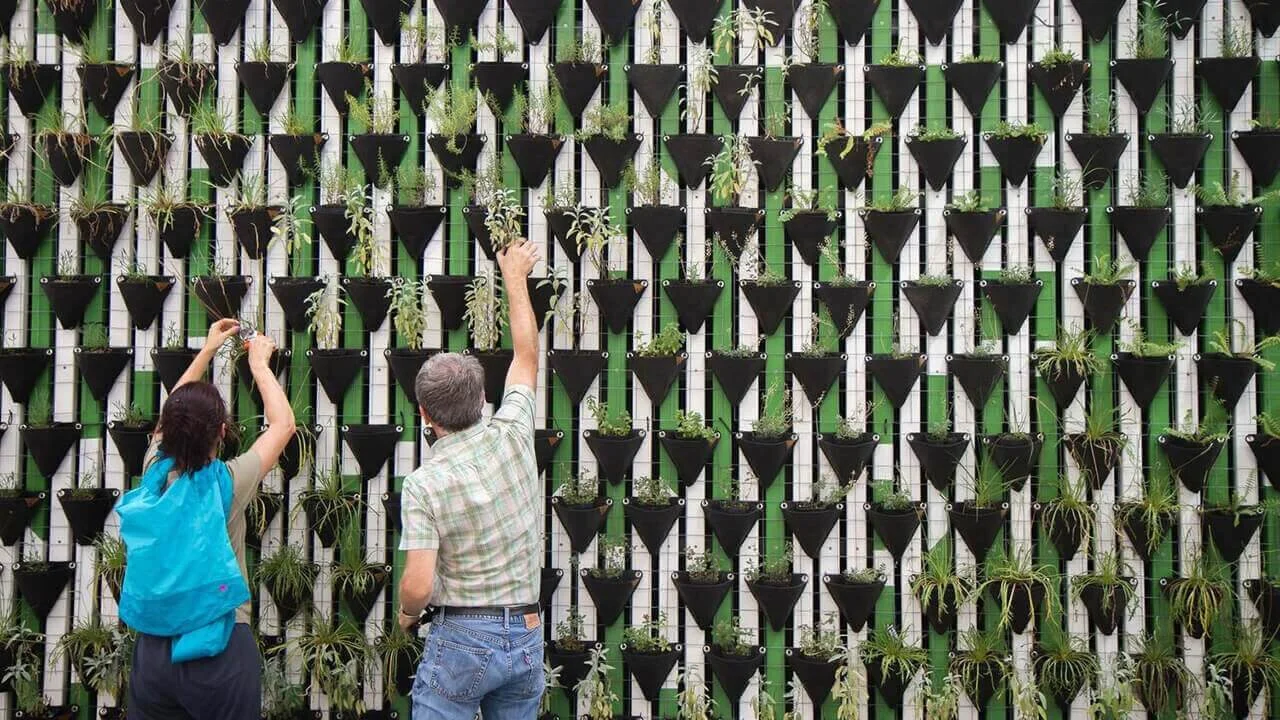
We aim to deliver our mission responsibly, embedding in our work — in a balanced way — the social, environmental protection and good-governance dimensions.
Environment
Our social mission can only be fully delivered with responsible action towards the environment.
We care about our environmental impact and seek to mitigate it by adopting best practices: through rational and efficient use of natural resources, across the supply chain and in the management of the waste we produce.
Our approach to reducing our environmental footprint
Energy and water efficiency in our facilities
Dematerialisation of processes through digital transformation
Promotion of sustainable mobility
Progressive introduction of green environmental criteria in procurement processes
Elimination of single-use plastics
Continuous monitoring of energy and water consumption and waste production, and correction of anomalies
Tackling food waste
Training and capacity-building for the internal community
Reducing waste generation
Sending waste to the most environmentally responsible destinations
Energy management
With more than a hundred buildings used for our activity, where we provide a wide range of services, and a fleet that travels millions of kilometres a year, we are aware that we record high energy consumption and associated CO₂ emissions. We therefore continuously promote actions and initiatives to optimise our energy performance.
Energy: 2022 environmental indicators
- Electricity consumed
56,612 GJ(+7.3% compared to 2021)
- Natural gas consumed
26,498 GJ(+5.4% compared to 2021)
- Atmospheric emissions
6,958t CO₂GHG emissions scope 1, 2 and 3. (+11.9% compared to 2021)
Our electricity consumption in 2022 was equivalent to the annual consumption of 7,044 households.
Water management
Water is a vital resource across the different routines of our activity: meal preparation, bathing and laundry in social facilities, and rehabilitation treatments in healthcare are just some examples. We continuously monitor our consumption so we can act quickly in cases of unexpected leaks or unusual consumption, and achieve more efficient use of water resources.
Water: 2022 environmental indicators
- Water consumed
292,427 m³(+1.5% compared to 2021)
- Water waste avoided
5 millionlitres of water
89%of Santa Casa's facilities have water consumption monitoring systems
Our water consumption in 2022 was equivalent to the volume of water needed to fill 117 Olympic swimming pools.
Waste management
The extent of our activity, the type of services we provide and the activities we run, generates a very significant and diverse output of municipal waste, similar to municipal and hazardous waste, and hospital waste. Ensuring its proper management, progressively reducing the quantity of waste produced and sending it to greener destinations such as recycling or composting are the pillars of our work.
Waste: 2022 environmental indicators
- Waste produced
1,273 t(+8% compared to 2021)
163 tof hazardous waste produced
1,111 tof non-hazardous waste
66%of waste was sent for recovery
Our waste output in 2022 was equivalent to the weight of around 212 elephants.
Society
Every day, the institution relies on a team of over six thousand people who carry out close-to-the-community work. People and Society are at the heart of our work. To achieve a positive impact within our team, it is essential to focus on areas such as the promotion of health and safety, training and the provision of benefits. And to take our mission even further, we support other Good Causes.
Recognising that diversity, well managed, contributes to greater creativity and innovation, Misericórdia de Lisboa has developed its Diversity and Inclusion Policy and aims, through its Action Plans, to contribute to a more diverse and inclusive organisation.
Particularly worth noting is the corporate volunteering programme Mais de Nós (More of Us), set up to give staff opportunities and working time to exercise their individual citizenship, by joining the social responsibility and volunteering initiatives promoted or supported by the institution.
Awarding grants, scholarships and financial support to other bodies and projects is also an important way Misericórdia de Lisboa contributes to society, enabling the delivery of many initiatives and causes of public interest. See our annual list of public grant beneficiaries and some of the supported initiatives:
Good governance
Misericórdia de Lisboa is a private-law legal entity of administrative public utility, under the oversight of the member of Government responsible for Social Security. See our Governance Model.
Given the social responsibility assigned to Misericórdia de Lisboa, integrity, a good reputation and probity are essential prerequisites for delivering its mission and building a relationship of trust with stakeholders.
Since Santa Casa is responsible for the provision of countless services of public interest, it is essential that its conduct sets an example and is grounded in guidelines that contribute to society's balance and well-being. To that end, it is essential to count on the cooperation of all stakeholders in respecting the values of ethics, transparency and integrity and complying with legislation and with the principles and rules set out in the various internal regulatory and guidance tools (Institutional Policies; Regulations; Codes).
For Santa Casa, it is important to ensure that its suppliers are aligned with — and contribute to delivering — its commitments on sustainability, ethics and transparency.